Blog
The Oral Microbiome Explained: Who Lives in Your Mouth
The oral microbiome is the mix of bacteria, fungi and other microbes living in your mouth. Most are harmless or helpful. Trouble starts when the balance shifts, which is where diet, smoking and cleaning habits matter. A supplement can add microbes, but it cannot replace daily care.
Written by the ProDentim label teamUpdated · 4 min read
What is the oral microbiome?
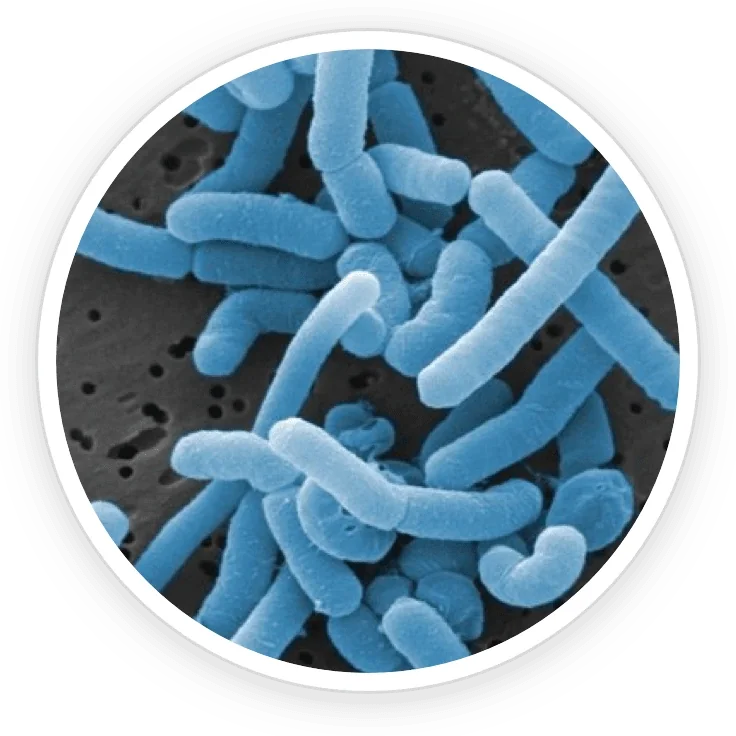
Your mouth is not sterile. It hosts hundreds of kinds of microbes on teeth, gums, tongue and cheeks, and together they are called the oral microbiome.
Most of the time they live with you quietly. They stick to surfaces in a layer called plaque, which scientists describe as an organized community, a biofilm (Oral microbiome review 2024 (PMC)).
Every mouth has a different mix, and the mix changes through the day. It shifts after meals, after sleep and after brushing.
Think of a garden rather than a battlefield. The aim is a healthy mix, not an empty plot.
What does a balanced mouth mean?
A balanced mouth keeps acid-making and gum-irritating microbes in check so the others can stay in the majority. Balance is a range, not a single score.
One review links diet, smoking, alcohol and medical conditions to a shift in balance, with decay, gum disease and bad breath as possible results (Oral microbiome review 2024 (PMC)). The same review says how the microbes' functions lead to imbalance is still largely unknown.
That last point matters. Researchers can describe who lives in the mouth far better than they can say how to steer the mix.
| Factor | What it may do | What you can do |
|---|---|---|
| Sugary food and drink | Feeds acid-making bacteria | Cut how often you snack on sugar |
| Smoking | Raises gum disease risk | Ask your dentist or doctor for help |
| Skipped cleaning | Lets plaque build up | Brush and clean between teeth |
| Dry mouth | Less saliva to wash and buffer | Ask your dentist or doctor |
Where in the mouth do these microbes matter?
They matter in five places: teeth, gums, tongue, throat and the immune system. Each has its own mix and its own limits.
Decay is driven mainly by acid-making bacteria working on sugars and starches (NIDCR, The Tooth Decay Process). Gum disease starts with plaque along the gum line, and only a dentist can remove hardened tartar (NIDCR, Gum Disease).
Tap each spot on the map for the honest note.
Teeth
Label or sales pageMalic acid and tricalcium phosphate are the blend items tied to teeth.
What the evidence saysMalic acid is a fruit acid; a strawberry-and-baking-soda test did not whiten teeth, and acids can wear enamel. Tricalcium phosphate acts on the tooth surface in toothpaste; swallowed it is a calcium source. Fluoride, brushing and the dentist are what the ADA points to. (Kwon 2015, strawberry DIY whitening) (ADA MouthHealthy, Dietary Acids) (Hamba 2020, fTCP toothpaste in vitro) (CDC, Statement on Water Fluoridation)
Gums
Label or sales pageThe label front says 'Healthy Teeth and Gums'; the sales page says 'Supports the health of your gums'.
What the evidence saysReviews of probiotics for gum disease find small, mixed changes in gum and plaque scores, mostly with other strains and alongside a dentist's cleaning. No trial of this tablet was found. Bleeding gums need a dentist. (Benavides-Reyes 2025, probiotics & perio) (Schlagenhauf 2016, L. reuteri lozenges) (MedlinePlus, Gingivitis) (Liu 2025, L. reuteri oral health review)
Breath
Label or sales pageThe label front says 'Long Lasting Fresh Breath'; peppermint is in the blend.
What the evidence saysA review of probiotics for bad breath rested on only three small trials and found no change in measured sulfur gases. Bad breath often comes from the mouth itself, so a dentist can check the cause. (Yoo 2019, probiotics & halitosis) (MedlinePlus, Bad Breath)
Mouth bacteria
Label or sales pageThe sales page says it 'Supports the balance of mouth bacteria'.
What the evidence saysThe mouth holds a large, varied community of bacteria. Probiotic strains differ, and a strain that helps in one trial may not matter in another. Trials often count bacteria such as S. mutans rather than cavities. (Oral microbiome review 2024 (PMC)) (Lorodent lozenge RCT 2022, S. mutans) (Hill et al. 2014, ISAPP consensus)
Throat and sinuses
Label or sales pageThe label front says 'Ear, Nose and Throat Immune Health'.
What the evidence saysA Cochrane review found low-certainty evidence that some probiotics may reduce the number of upper respiratory infections. The BL-04 trial measured colds, not teeth. (Cochrane 2022, probiotics & URTI) (West 2014, B. lactis Bl-04 & URTI)
A drawing, not a scan of your mouth. Tap a label to see what the label or sales page says there and what the evidence shows.
Where does a probiotic like ProDentim fit in?
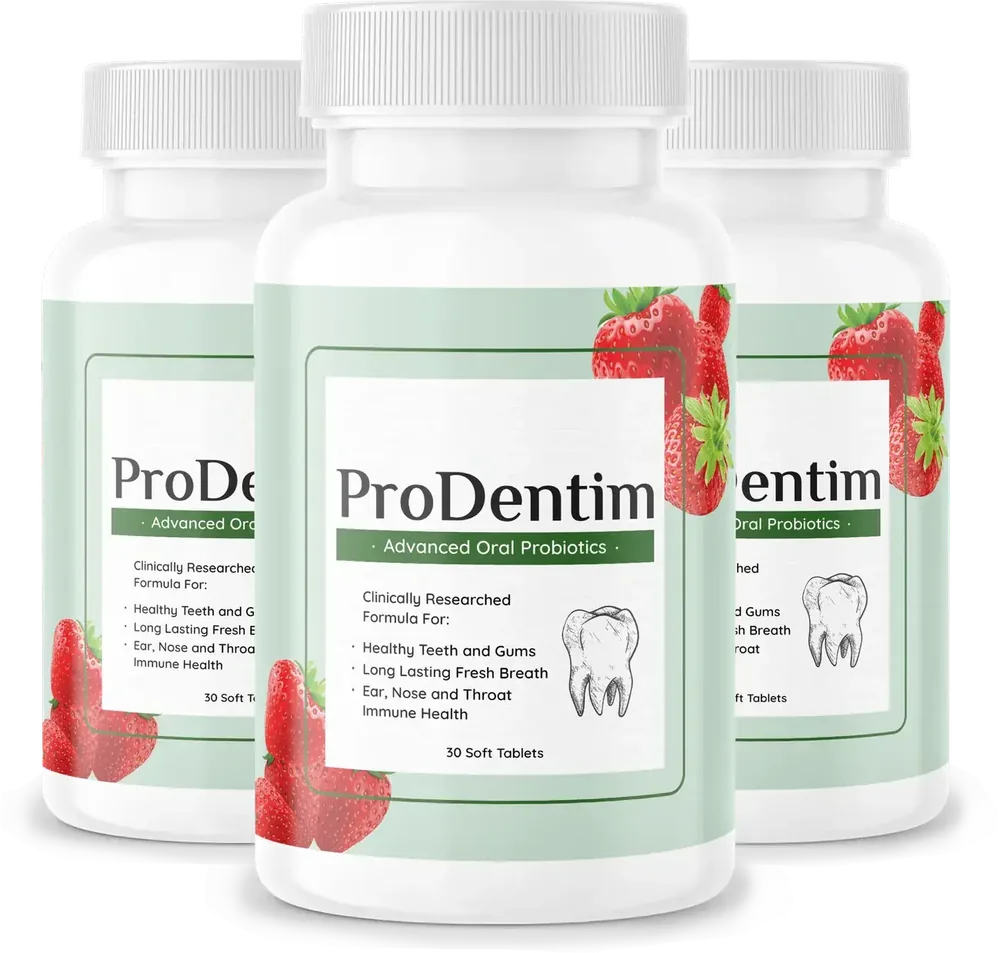
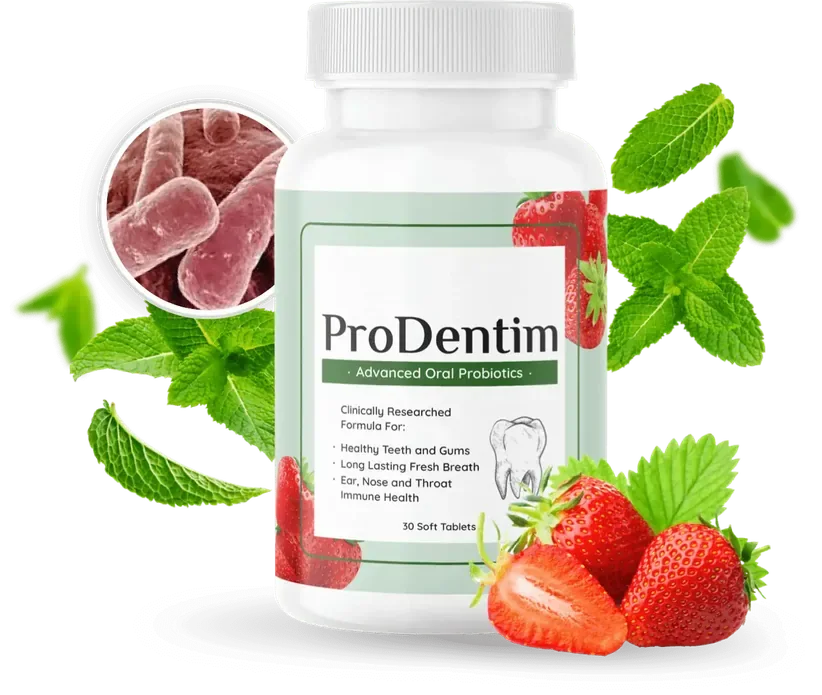
ProDentim is a dietary supplement of 30 soft tablets that the sales page says adds three named strains to the mouth (ProDentim sales page). It is aimed at the microbiome, but no published trial of the tablet exists.
Studies of other strains, mostly in lozenges, show small and mixed changes in plaque and gum scores. That does not carry over to this tablet.
The label images show no Supplement Facts panel, so no amount per strain is known. For a longer look at the three strains, read how ProDentim works.
- It may add microbes; it cannot choose which ones stay.
- It does not remove plaque or tartar.
- It is not a treatment for gum disease or decay.
What actually protects your oral microbiome?
Daily cleaning and regular dental visits protect it best. The ADA advises brushing for two minutes, twice daily, with a fluoride paste (ADA MouthHealthy, Brushing Your Teeth).
Clean between your teeth once a day, limit sugary drinks and see your dentist on schedule. Keep taking any prescribed medicine exactly as directed.
A few small habits add up. Drink water after sweet snacks. Replace a worn brush every three or four months. Tell your dentist about dry mouth, bleeding gums or a change in taste, since each can point to a shift worth checking.
None of these steps needs a supplement, and none is replaced by one. If you choose to try ProDentim, treat it as an extra on top of a routine that already works.
For the bigger picture, see oral microbiome basics and the label notes on what ProDentim is.
FAQ01
Oral microbiome questions
Does mouthwash wipe out the oral microbiome?
Some rinses reduce microbes for a time, but the mouth refills quickly. We found nothing in our sources on long-term effects. Ask your dentist which rinse suits you, and keep brushing and cleaning between teeth.
Can I test my own oral microbiome at home?
Mail-in kits exist, but we did not review them. Your dentist can check your teeth and gums directly, which is more useful for care decisions than a list of species.
Is a bigger variety of mouth bacteria always better?
Not necessarily. Researchers say a healthy mouth is a balanced one, and what balance looks like for each person is not settled. Variety alone is not a score you can aim for.
Who wrote this02
Written and reviewed by
Pages built from the label, the sales page and linked NIH, NIDCR, FDA, CDC, ADA, FTC and peer-reviewed sources.
Last updated . Read our editorial standards and how we check reviews. This website is run by a USA authorized ProDentim retailer, not by the manufacturer. We earn money when you buy through our order links.
Keep reading
More about ProDentim

USA Authorized ProDentim Retailer
Ready to try ProDentim?
Check your medicines first, then pick a pack. Three or six bottles ship free in the US and cost less per bottle, and every pack carries the 60-day money-back guarantee.
- Secure checkout
- 60-day money-back guarantee
- Free US shipping on 3 or 6